
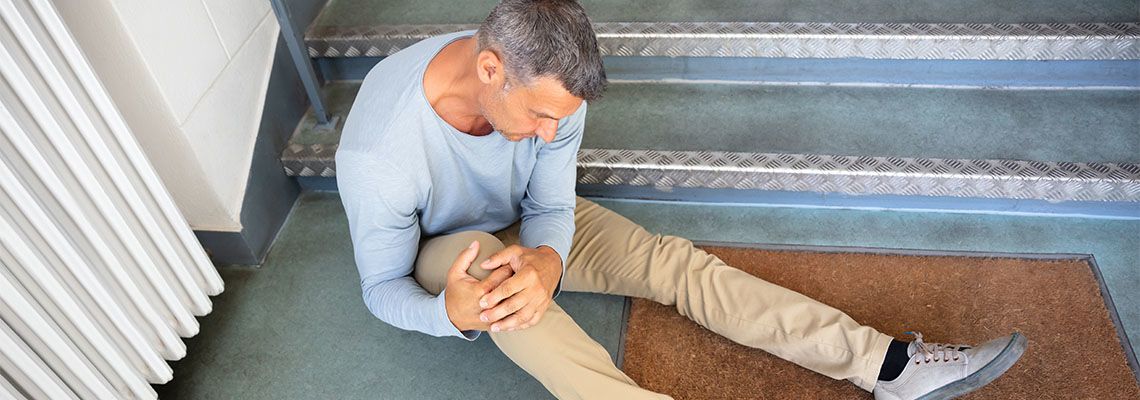
What to Do If You’re Injured in a Slip-and-Fall Incident on Private Property
Slip-and-fall accidents happen every day across Texas, and even though many people try to shrug them off at first, these situations often lead to serious physical harm and major financial strain.
A fall can disrupt work, daily routines, and long-term health. As someone who handles these cases regularly at the Law Office of Sherrod J. Edwards, I see how overwhelming the aftermath of these injuries can be, especially when victims are unsure whether the situation qualifies as a personal injury matter.
At the Law Office of Sherrod J Edwards, I serve clients throughout greater Dallas, Texas, including Cedar Crest, West Dallas, Highland Park, Irving, Farmers Branch, Addison, Richardson, Garland, Mesquite, Balch Springs, Hutchins, Duncanville, and Grand Prairie.
Regardless of where your fall occurred, accessible and attentive legal support is never far away. Acting carefully and deliberately protects your health while strengthening your rights under Texas law.
With that foundation, I’ll explain what you should do right away, what evidence matters most, how liability works, and how a personal injury claim moves forward after a fall. If you’ve been injured, don’t wait—reach out today to protect your rights and begin your path toward recovery.
Prioritizing Your Health and Safety First
The first and most important step after any slip-and-fall is to focus on your well-being. Even if you initially feel fine, the body often masks symptoms through adrenaline. Injuries such as torn ligaments, fractures, or head trauma may only appear hours or days later.
Seeking medical attention immediately creates a clear record of your injuries. It establishes a timeline that proves the fall directly caused your health problems—an essential part of any personal injury case.
When you visit a doctor or emergency room, you should describe exactly how the fall happened and the parts of your body that hurt. This documentation forms the foundation of the medical evidence that will later support your personal injury claim.
Without it, property owners and insurance carriers may argue that the injury occurred somewhere else or at a different time.
Reporting the Incident to the Property Owner
On private property, owners aren't always present when an accident occurs, especially in a rental home or short-term lodging. Regardless of the situation, the incident needs to be reported as soon as possible.
When you inform the owner—or a property manager—request that they write down the details and provide you with a copy of the report.
A written incident report prevents the owner from disputing whether the accident took place. It also forces them to acknowledge that a hazardous condition existed. This becomes important when determining whether their actions, or lack of action, contributed to your personal injury.
Preserving Evidence Before It Disappears
Hazardous conditions can change quickly. A wet spot dries, debris is picked up, lighting conditions change, or a loose step is repaired within minutes. Because time works against injured individuals, gathering evidence immediately is vital.
Take photos or videos of the hazard that caused your fall. Capture the surrounding area, any warning signs (or absence of them), lighting conditions, and the footwear you were wearing.
These details are essential for reconstructing the incident and establishing the property owner’s liability. Additionally, eyewitnesses can significantly bolster a personal injury claim, so be sure to gather names and contact information from anyone who witnessed the fall or identified the hazard.
Liability Under Texas Premises Law
Texas law doesn't automatically hold property owners responsible for every slip-and-fall incident. Instead, the law examines the relationship between the injured person and the property, the nature of the dangerous condition, and what the owner knew—or should have known—about the hazard.
To succeed in a personal injury claim involving a slip-and-fall on private property, I typically address three key questions:
Was there a dangerous condition on the property? A slippery floor, broken stair, uneven walkway, or cluttered pathway can qualify, but evidence is vital.
Did the property owner know about the hazard? Either actual knowledge (they knew) or constructive knowledge (they should have known through reasonable inspection) may establish liability.
Did the owner fail to take reasonable action to fix or warn about the hazard? Warning signs, repairs, or proper upkeep may satisfy their responsibilities. If the owner failed at these duties, liability becomes more likely.
These questions form the foundation for evaluating a slip-and-fall personal injury case. Without satisfying these factors, recovery becomes more difficult, but strong evidence can often confirm what the property owner failed to address.
What Victims Should Do After the Accident
After a slip-and-fall accident, the moments that follow can feel chaotic and confusing. However, the steps you take early on are critical to protecting both your health and your personal injury rights under Texas law.
To help you get through this stressful time, here are the essential actions every victim should take immediately after the incident:
Seek medical care right away, even if symptoms appear mild.
Notify the property owner and request an incident report.
Take photos and videos of the hazardous condition.
Gather witness contact information.
Preserve the footwear and clothing worn during the fall.
Avoid giving recorded statements to insurance adjusters before speaking with legal counsel.
Contact a personal injury lawyer to discuss your legal options.
Following these steps can significantly strengthen your claim and your ability to pursue fair compensation. By acting promptly and carefully, you give yourself a chance to secure the evidence and support needed to move forward after a fall.
Calculating Damages After a Slip-and-Fall
Slip-and-fall incidents may result in a wide range of damages, including medical expenses, lost income, pain and suffering, and long-term treatment needs. Texas law allows injured individuals to seek compensation for both economic and non-economic losses, and a strong personal injury case typically considers both.
Medical bills form the backbone of the financial portion of the claim. Detailed treatment records, diagnostic tests, and follow-up appointments demonstrate the true cost of the injury. Lost wages also play a major part, especially when injuries require extended recovery time.
Non-economic damages—such as physical pain, emotional distress, or loss of mobility—require persuasive storytelling supported by medical documentation. In my personal injury work, I take time to understand how the fall changed each client’s life so that the full extent of their suffering is represented.
How Comparative Fault May Affect a Case
Texas follows a modified comparative fault rule. This means an injured person can still recover compensation even if they're partially responsible for the fall, as long as they're not more than 50% at fault. Insurance companies frequently argue that victims were careless, distracted, or wearing unsafe footwear.
Proper evidence gathering can counter these claims. Photographs, witness statements, and medical records help show that the hazard—not the victim—was the primary cause of the personal injury. By building a strong factual record, I can push back on unfair attempts to shift blame.
When Private Property Owners Try to Avoid Responsibility
Many property owners attempt to downplay or deny the hazardous condition. They may claim ignorance, argue that they took reasonable steps to maintain the property, or insist that no one else had ever fallen before.
However, a history of no prior incidents doesn't automatically absolve them. If they had a duty to inspect or maintain the area and failed to do so, liability can still arise. A solid personal injury case evaluates maintenance practices, inspection schedules, and any relevant repair records. These details often reveal whether the owner acted responsibly.
Speak With a Dedicated Personal Injury Lawyer
At the Law Office of Sherrod J Edwards, I’m proud to serve the Dallas area, including Cedar Crest, West Dallas, Highland Park, Irving, Farmers Branch, Addison, Richardson, Garland, Mesquite, Batch Springs, Hutchins, Duncanville, and Grand Prairie.
If you've been injured in a slip-and-fall, don't wait to file your claim. Contact my firm today to schedule a consultation with an experienced slip-and-fall attorney you can rely on.